June 25, 1842
Congress requires districts
For the first time, every member must be elected from a single, contiguous district.
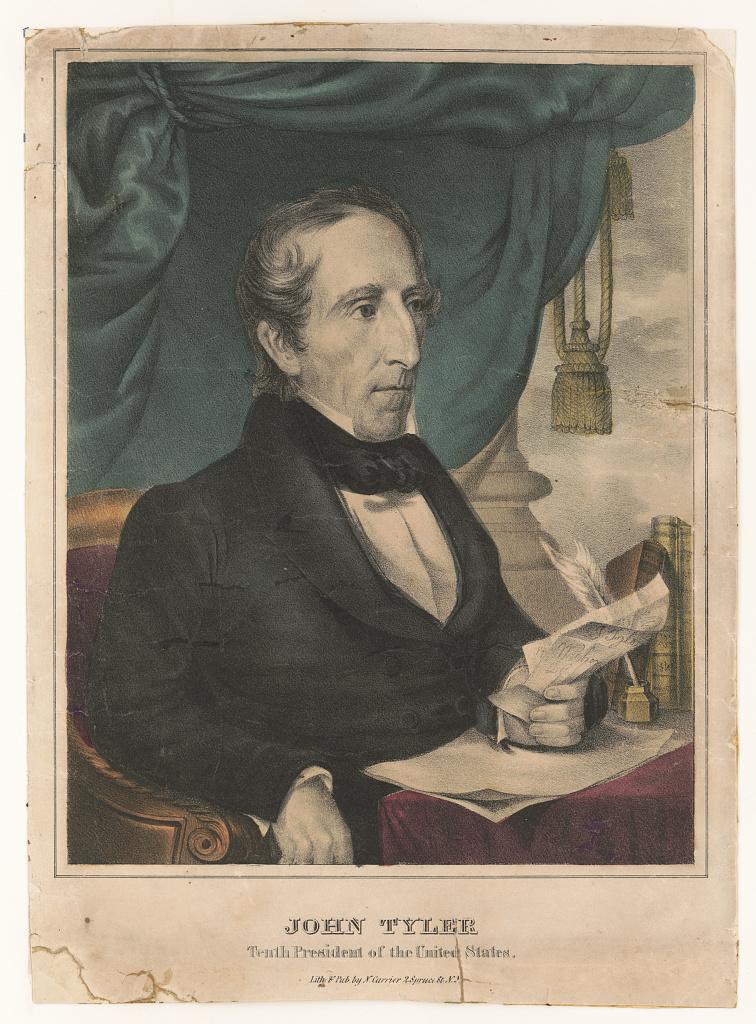
The Apportionment Act of 1842 requires states to elect House members from single-member districts of contiguous territory, ending the statewide general ticket.
Four states (New Hampshire, Georgia, Mississippi and Missouri) ignore it and elect their members at large anyway. The House seats them.
Behind the lines
The general ticket let a statewide majority sweep every seat. Whigs, then in control of Congress, pushed the mandate in part because Democratic-leaning states were using the general ticket to deliver solid delegations.
Watch the single-color states break into districts on the maps for the 1840s.
See the 27th Congress map (1841–1843) →
Sources
- Congressional Research Service: congressional redistricting law (In Focus IF12567)
- FairVote: the Apportionment Act of 1842
← The Indian Removal ActTexas joins the Union →