February 17, 1801
The House picks the President
Jefferson and Burr tie, and the House needs 36 ballots to break it.
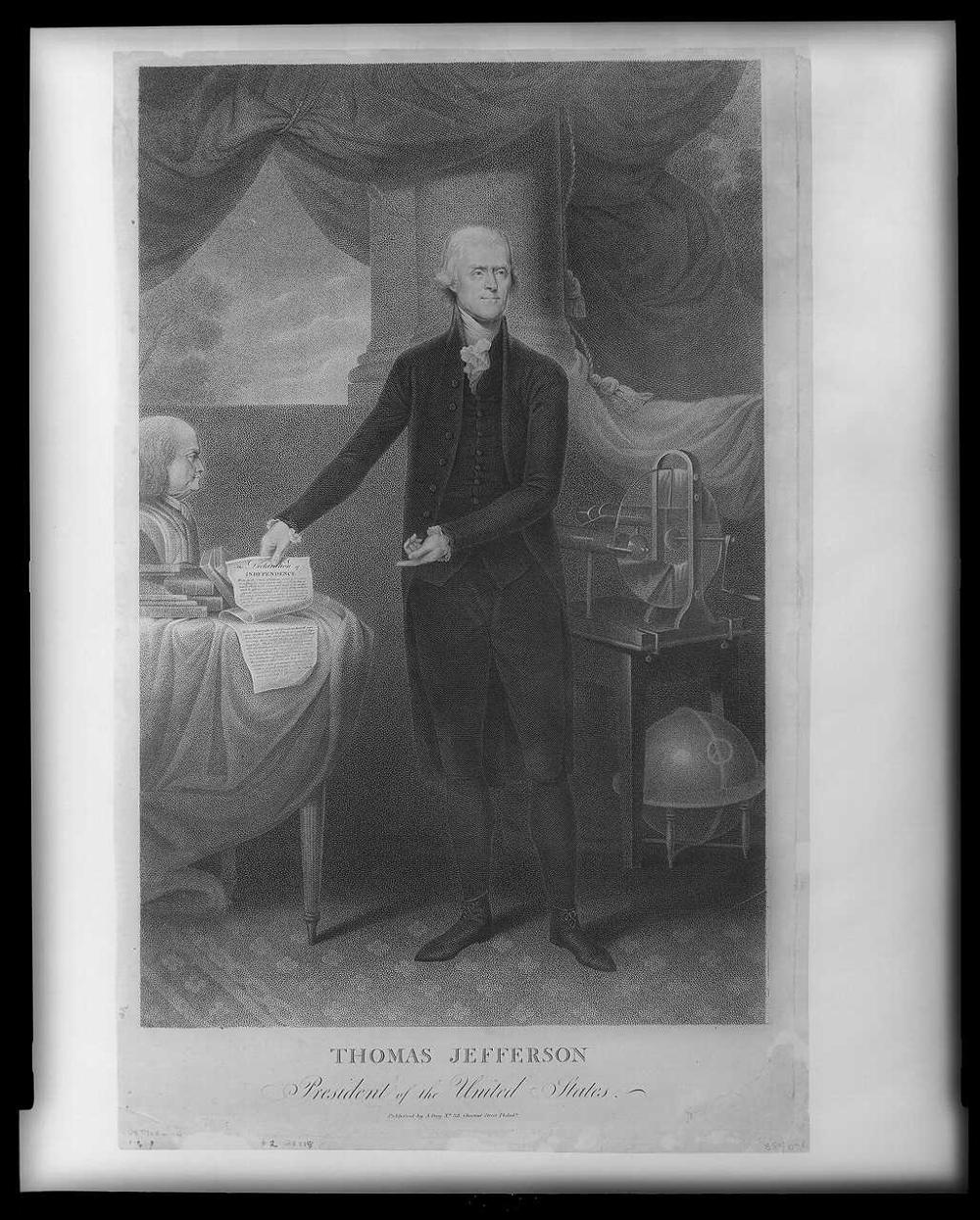
In the election of 1800, Thomas Jefferson and his running mate, Aaron Burr, each receive 73 electoral votes. Electors then cast two votes without marking which was for President, so the tie goes to the House, where each state delegation casts a single vote.
Federalists hold out through 35 ballots. On February 17, 1801, the 36th ballot elects Jefferson.
Behind the lines
The 12th Amendment, ratified in 1804, has electors vote separately for President and Vice President so that a running mate cannot tie the top of the ticket again.
See the 6th Congress map (1799–1801) →
Sources
- Wikipedia: 1800 United States presidential election
- Wikipedia: Twelfth Amendment to the United States Constitution
- National Constitution Center: the 36th ballot, February 17, 1801
- National Archives: 1800 Electoral College results
← The Whiskey RebellionMarbury v. Madison →