September 17, 1787
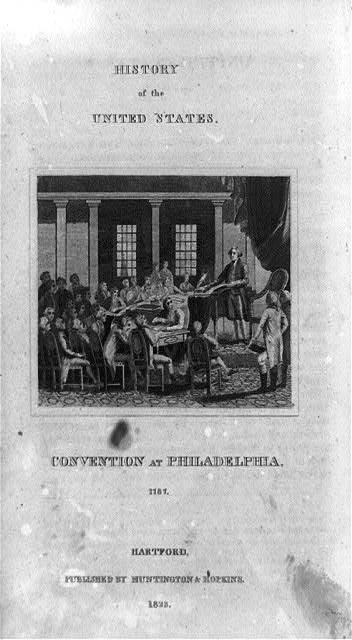
The Constitution is signed
House seats will follow population, counted every ten years.
Article I gives each state House seats in proportion to its population, recounted by a census every ten years. Until the first census, the Constitution itself assigns 65 seats.
Population is counted with the three-fifths clause: three of every five enslaved people are added to a state's total, though none of them can vote.
Behind the lines
The Constitution says nothing about districts. Each state decides how to elect its members, and in the early decades many elect their whole delegation statewide, on a "general ticket." A party that wins a narrow statewide majority can take every seat. Those states show up on this map as one solid shape.
The three-fifths clause enlarged the delegations of slaveholding states, and with them their electoral votes, until the Fourteenth Amendment replaced it in 1868.
See the 1st Congress map (1789–1791) →
Sources
← Northwest OrdinanceThe First Congress →