June 18, 1929
The House is frozen at 435
Seats are capped for good, and the federal rules on district shape quietly disappear.
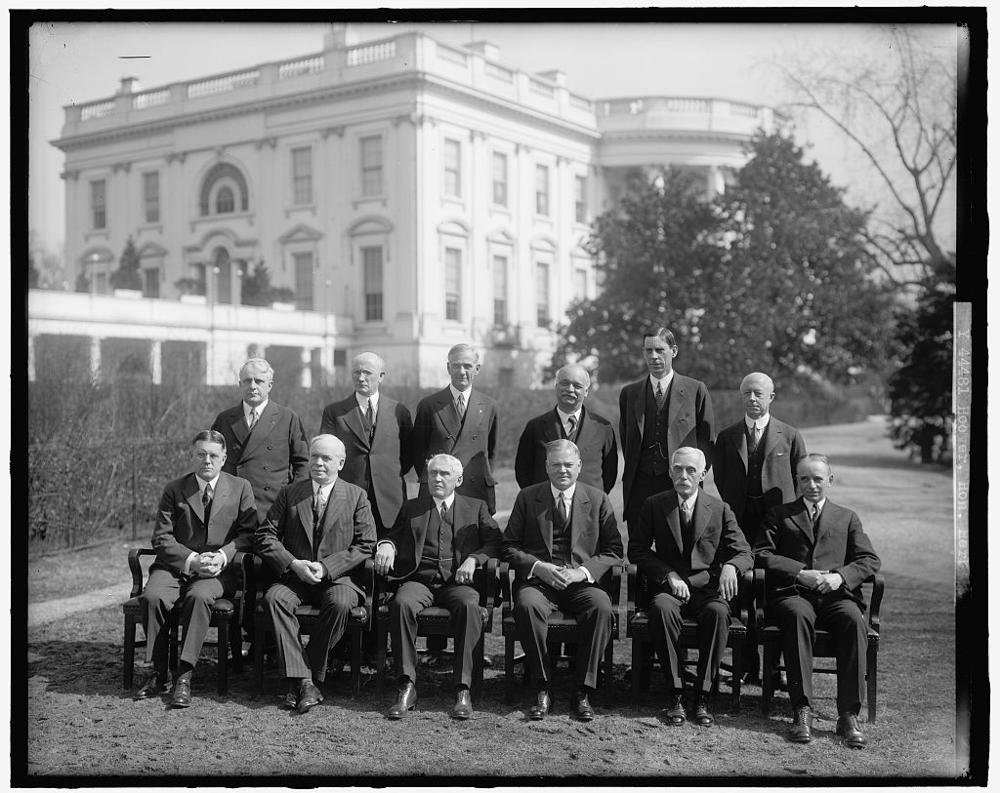
The Reapportionment Act of 1929 fixes the House at 435 seats and makes apportionment automatic after each census. It drops the requirements that districts be compact, contiguous and equal in population.
In Wood v. Broom (1932), the Supreme Court confirms that the old standards have lapsed.
Behind the lines
What followed was three decades of malapportionment. Many states simply stopped redrawing. Illinois used the same congressional lines from 1901 until 1948, while Chicago's population exploded: by the 1940s one district held roughly eight times as many people as another.
Rural legislators who benefited from the old lines controlled the legislatures that would have had to redraw them.
See the 71st Congress map (1929–1931) →
Sources
- U.S. House: Apportionment history
- Wikipedia: Reapportionment Act of 1929
- Wikipedia: Colegrove v. Green
← Native Americans become citizensThe stock market crashes →